Villa Menenghetti, Italy
Finalist - Architectural Competition
Hospitality
Veneto, Italy
2025
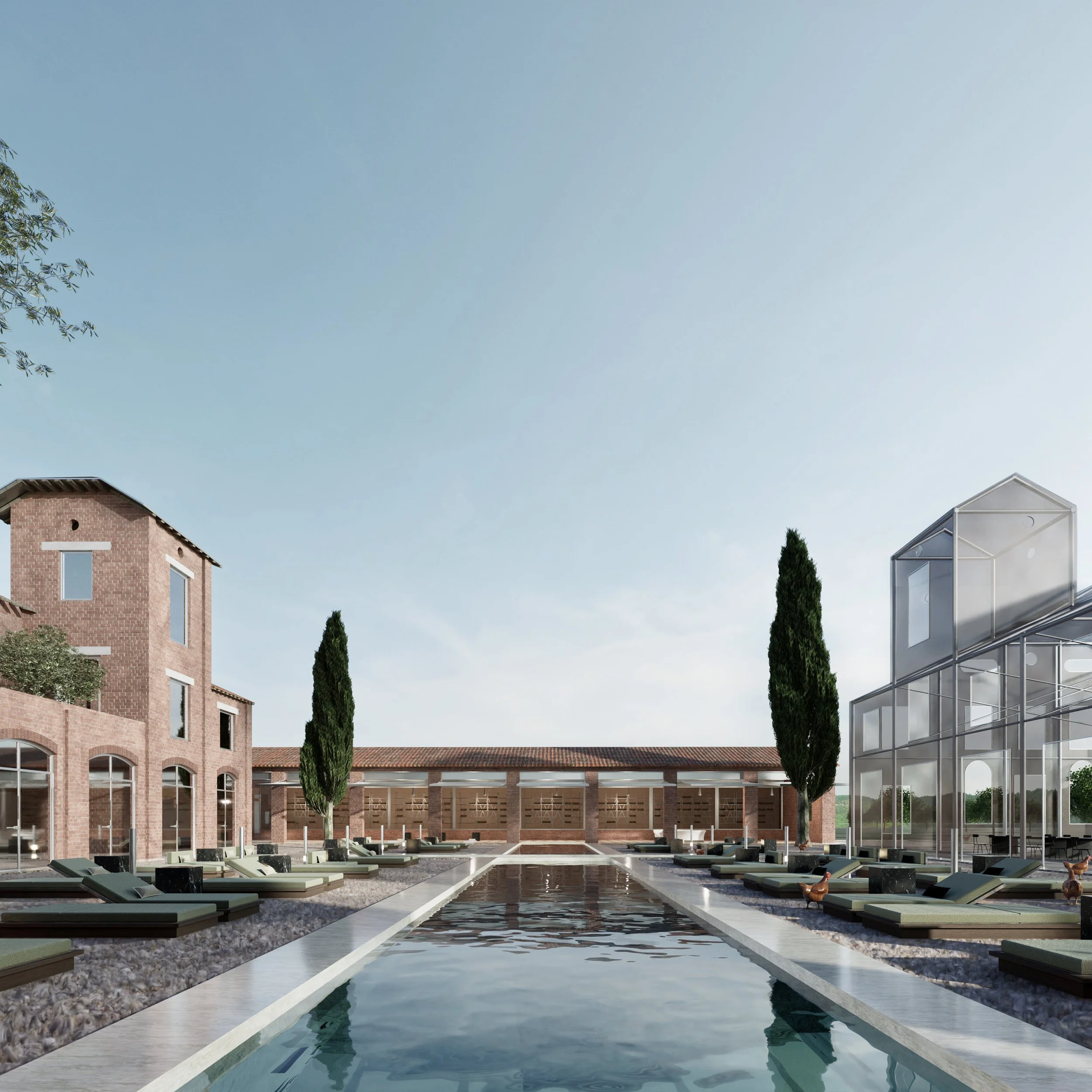
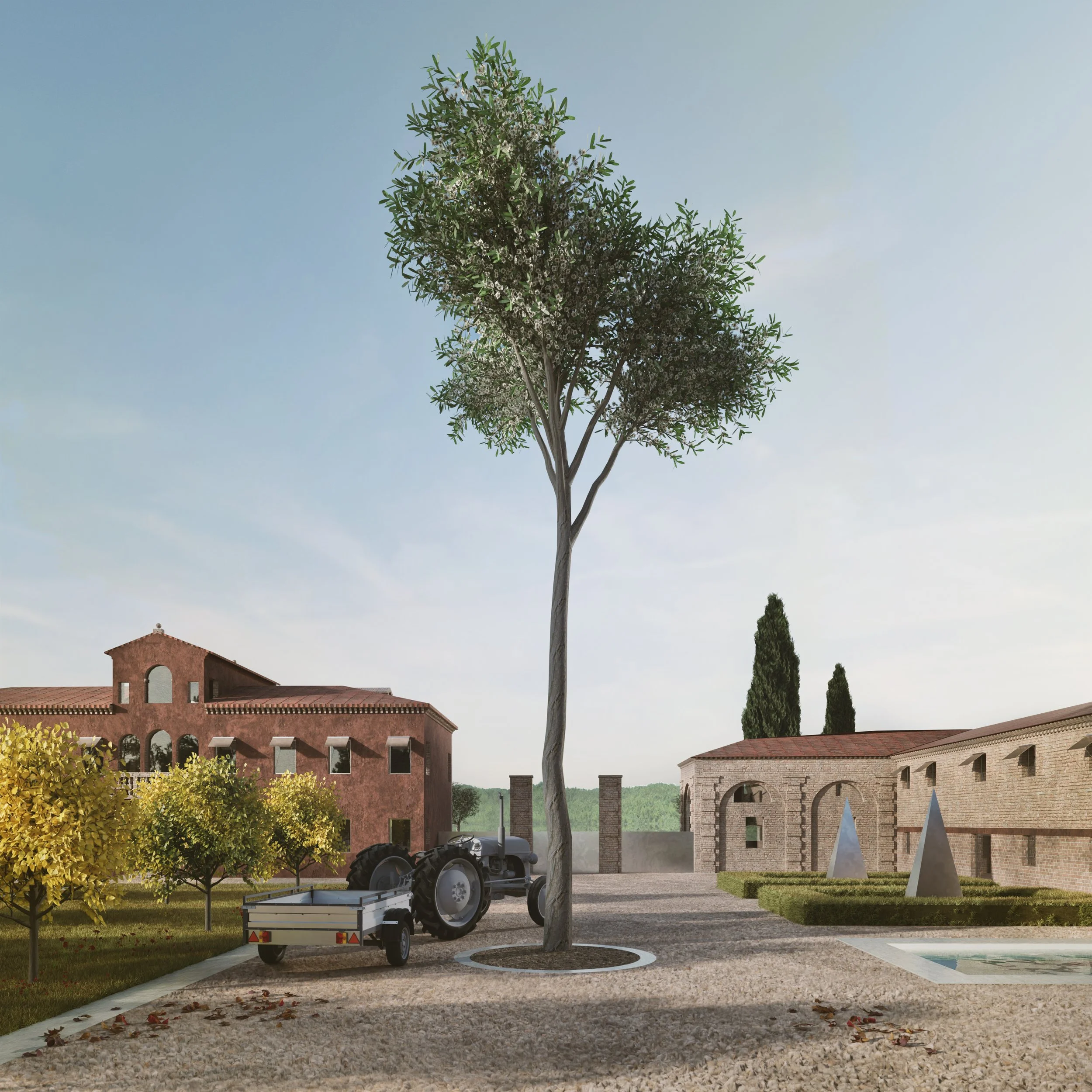
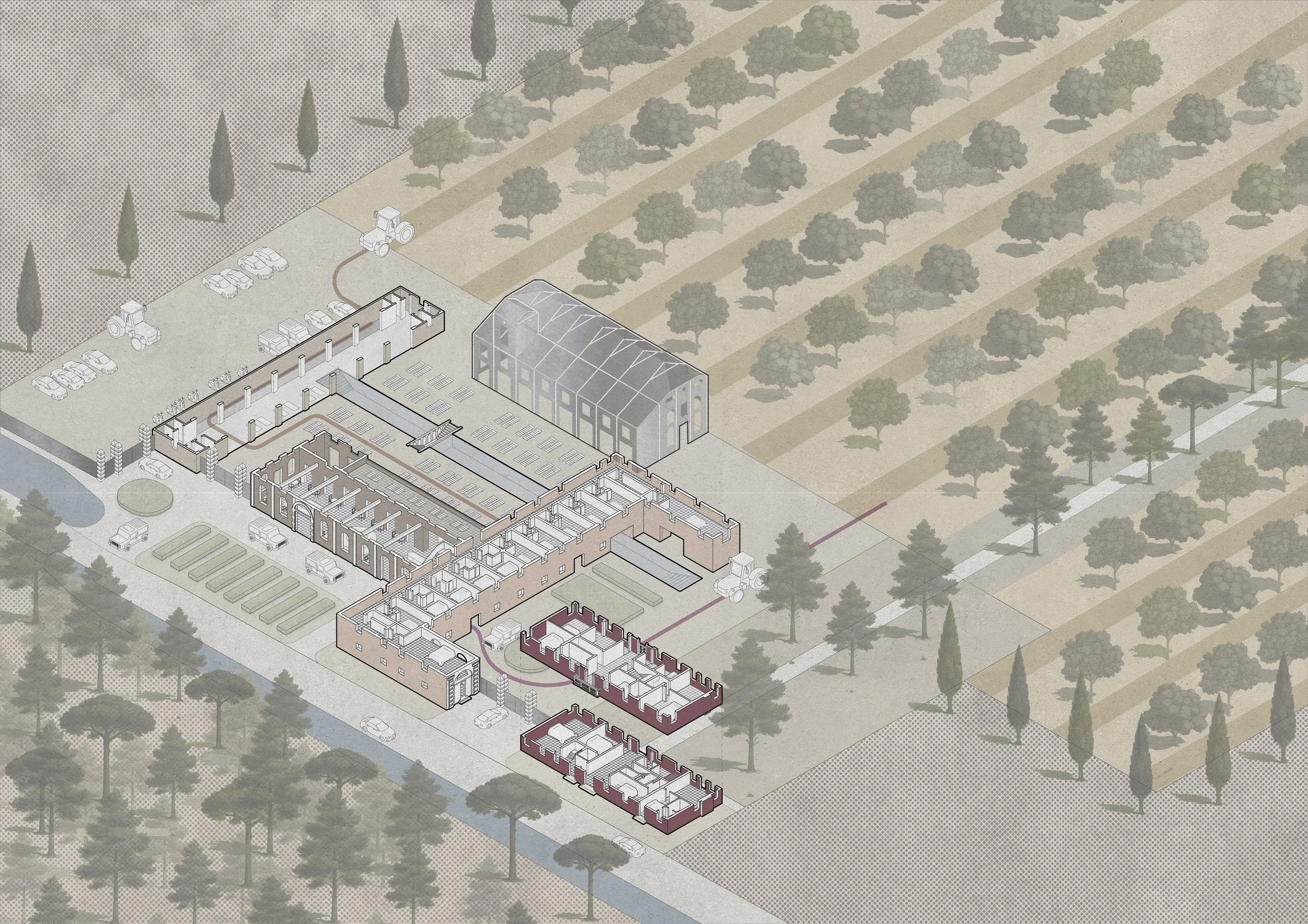
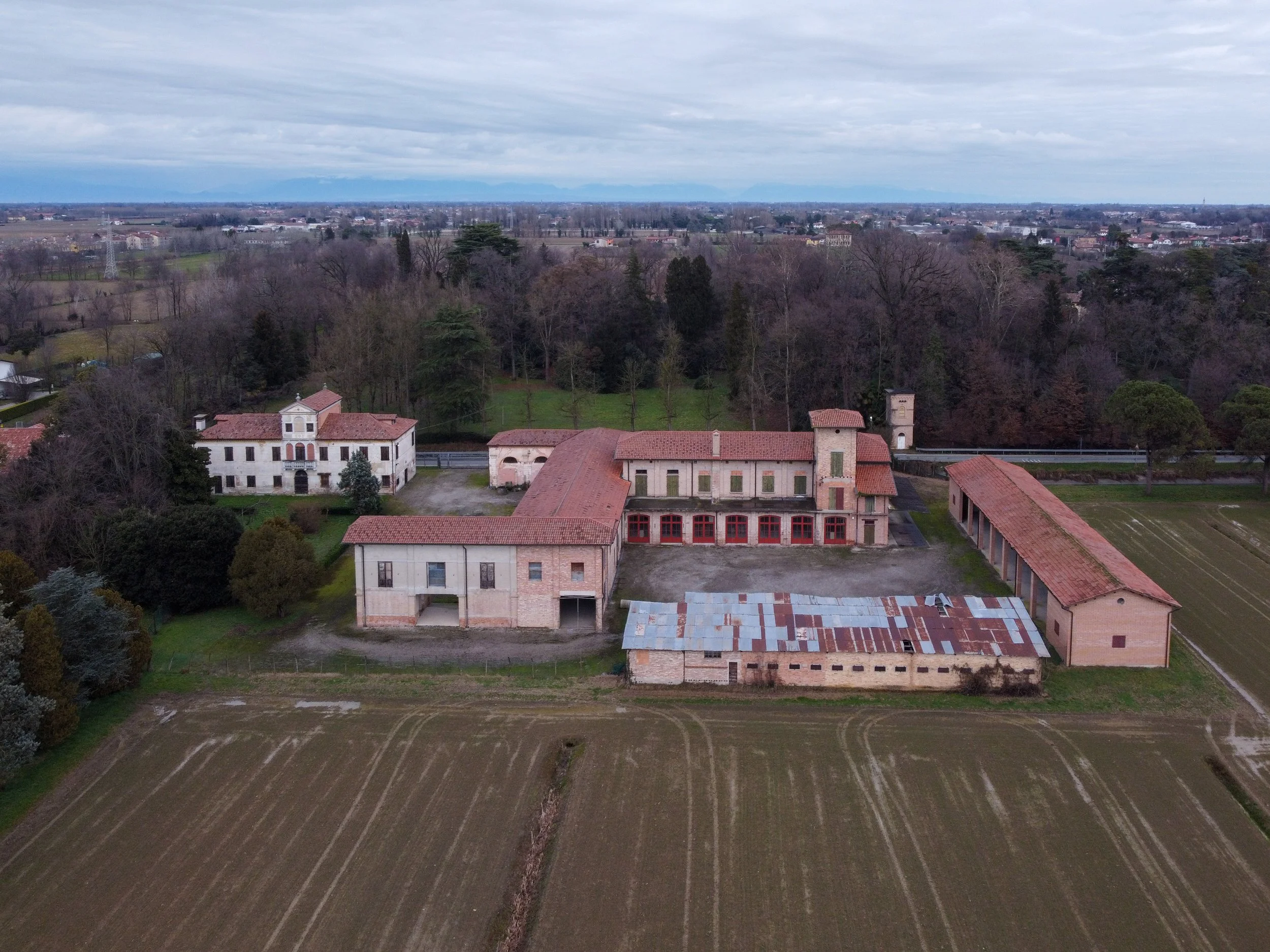
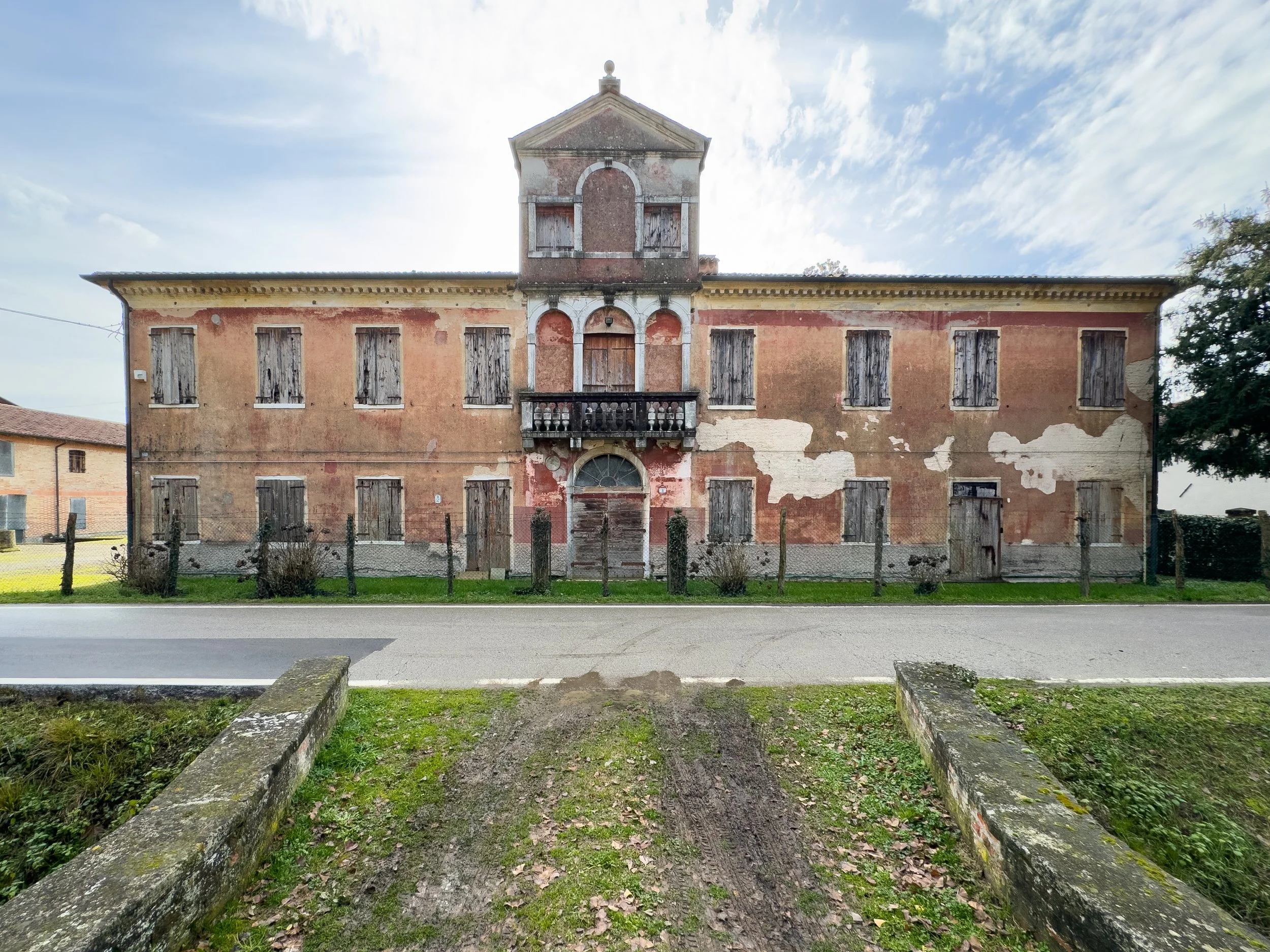
Our proposal for Villa Meneghetti rethinks the agritourism model. Across Italy, the majority of estates have reduced farming to monoculture, often wine or olive oil, leaving hospitality detached from the land. We proposed an alternative: a living ecosystem where architecture, farming, and visitor experience remain inseparable.
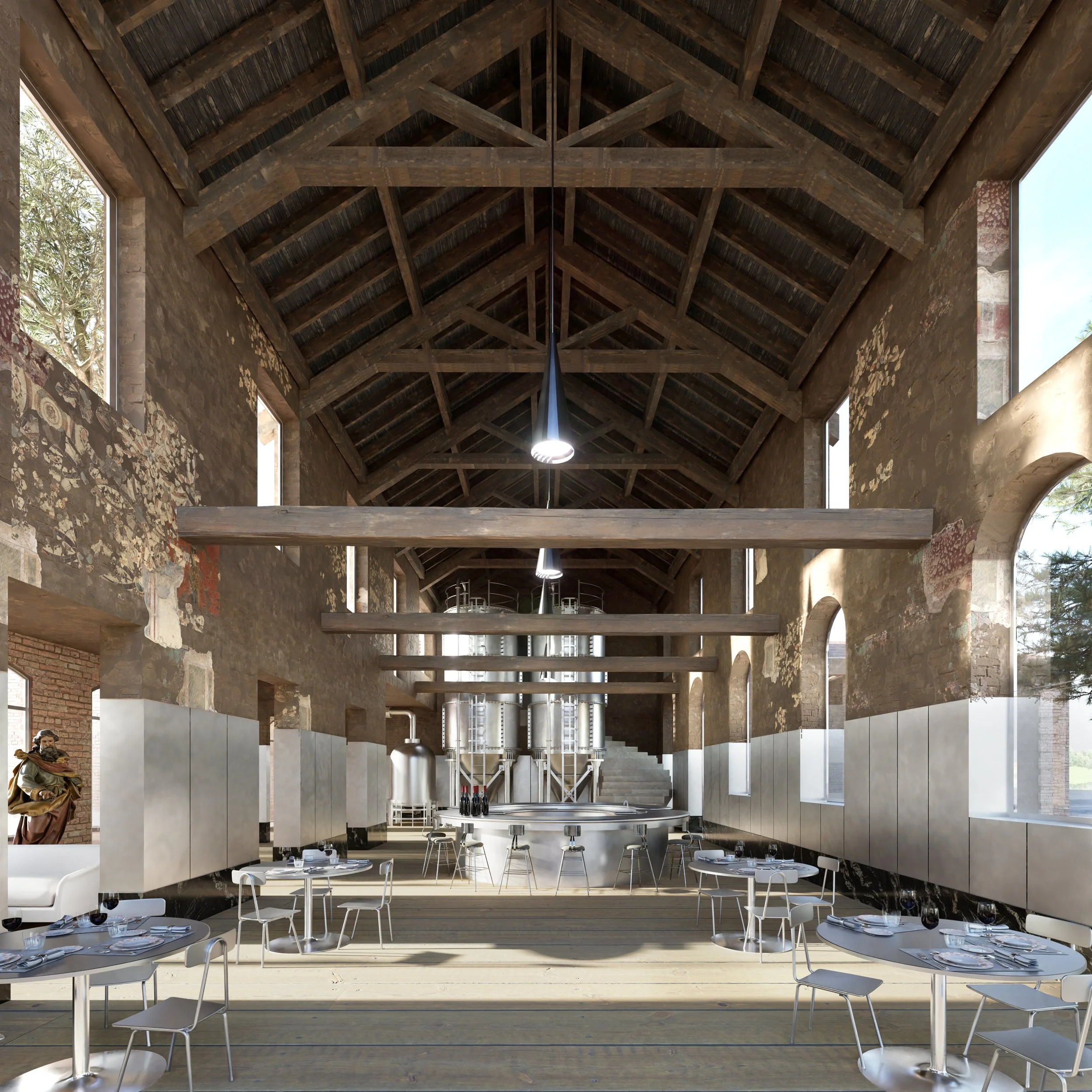
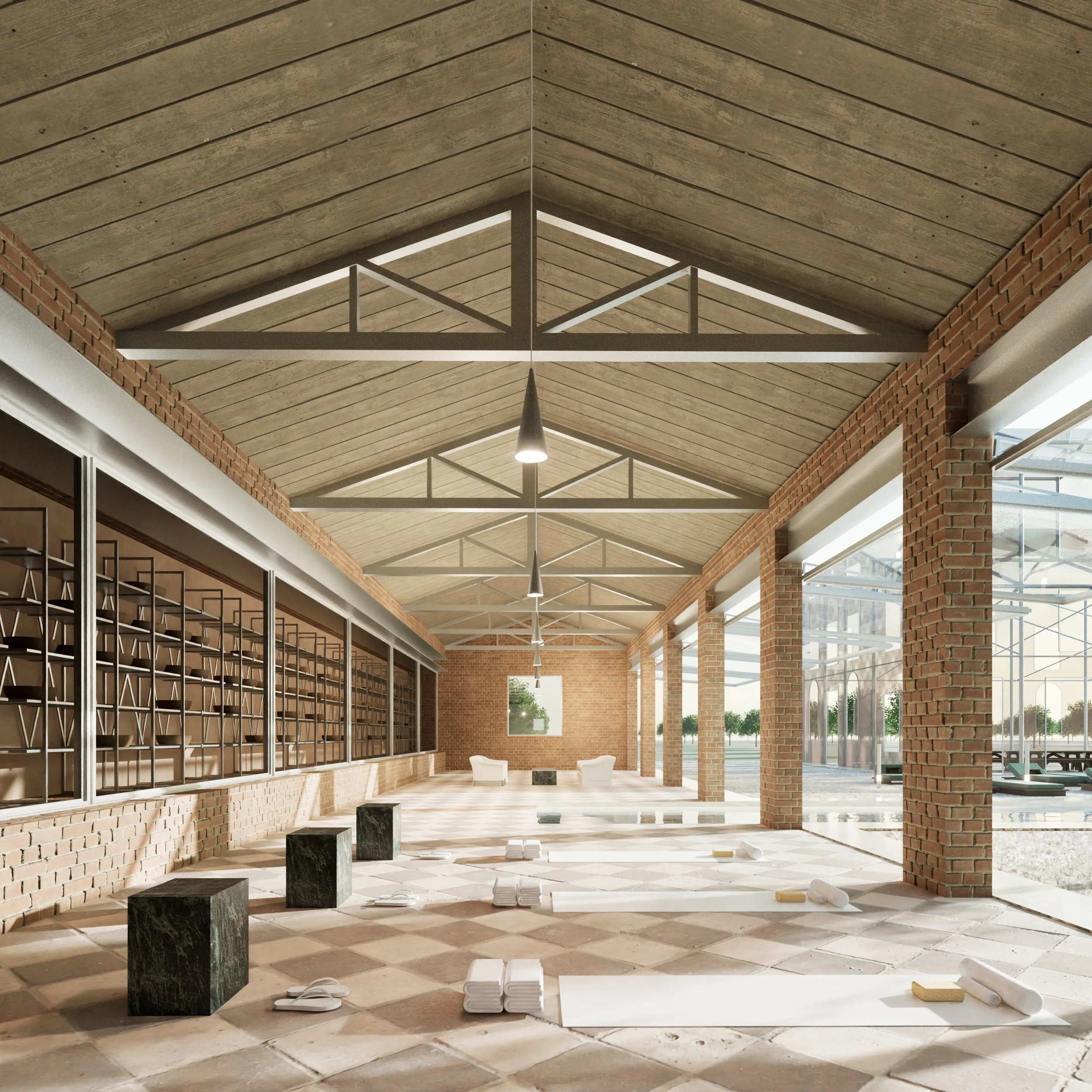
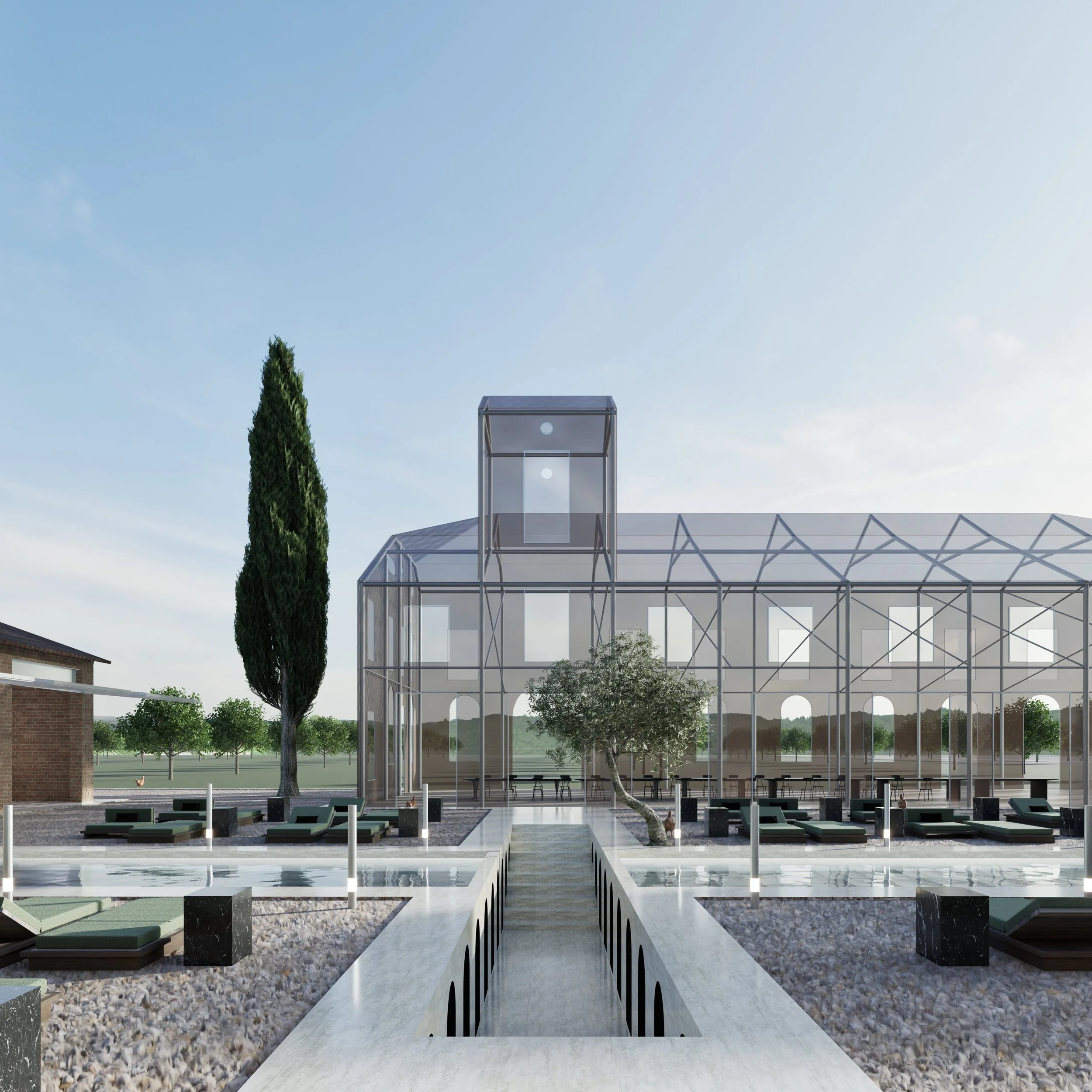
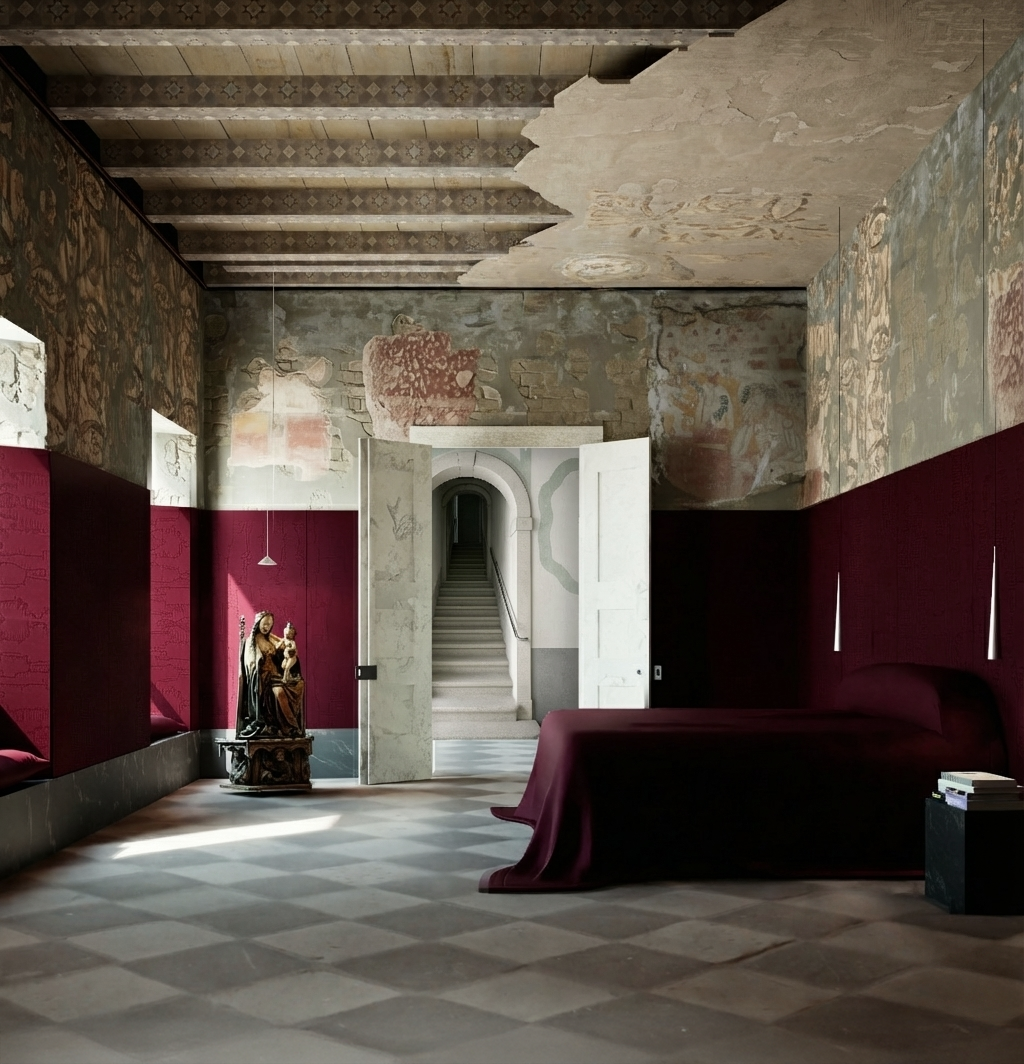
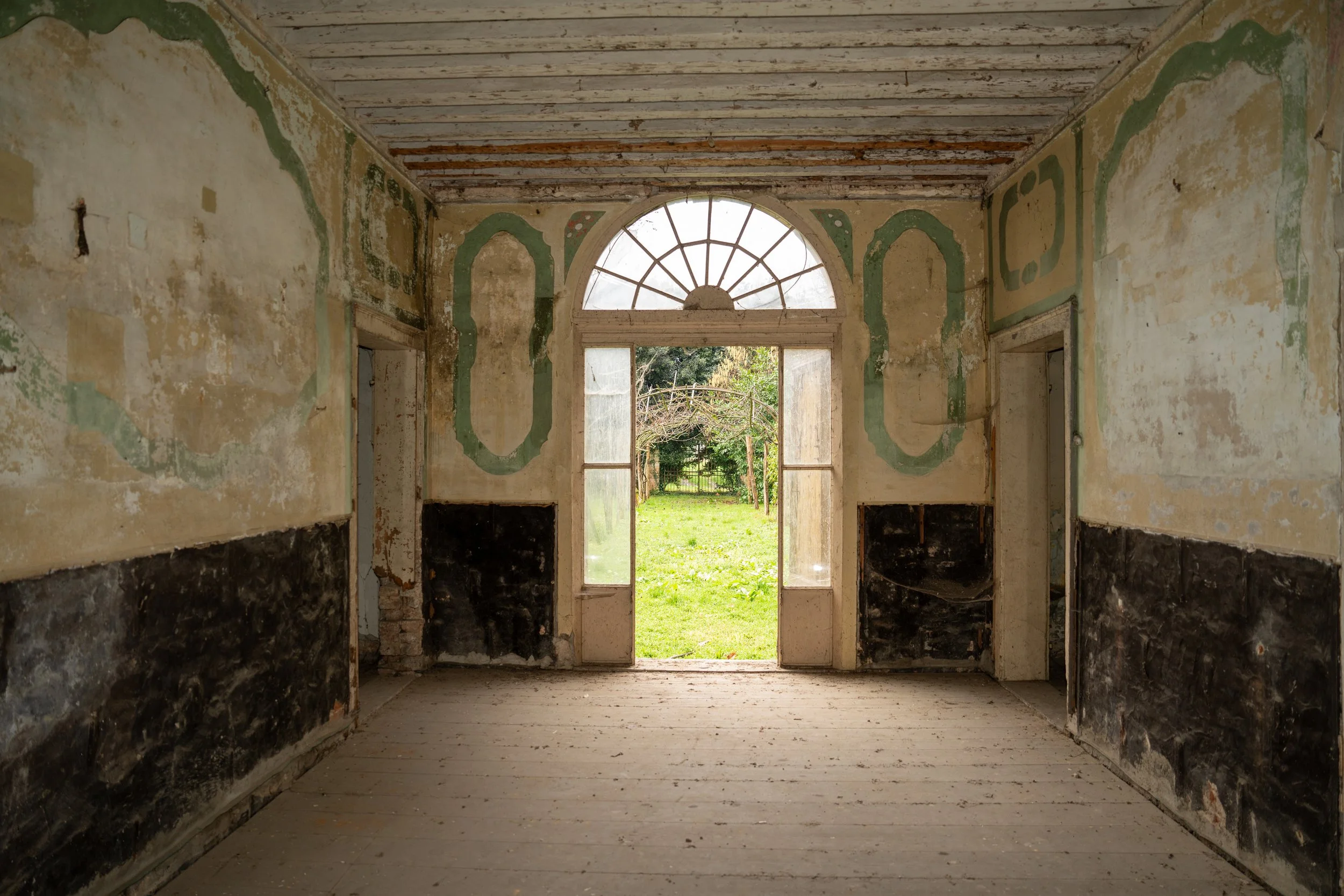
Historic buildings are carefully restored with local craft techniques, stone carving, timber framing, lime plaster, while new interventions are unapologetically contemporary. Marble and brushed metal introduce a refined architectural layer that sits in dialogue with the existing fabric, making the passage of time legible through material contrast and pared-back detailing.
The scheme draws on Palladian precedent. The villa’s classical order extends into the landscape, reinterpreted in the gridded planting of mulberry orchards. Once central to the estate’s 19th-century silk industry, the orchards return to provide both cultivation and spatial continuity. Farming and hospitality are layered together: ground-floor agricultural spaces support guest accommodation above, creating immersive proximity to land and labour.
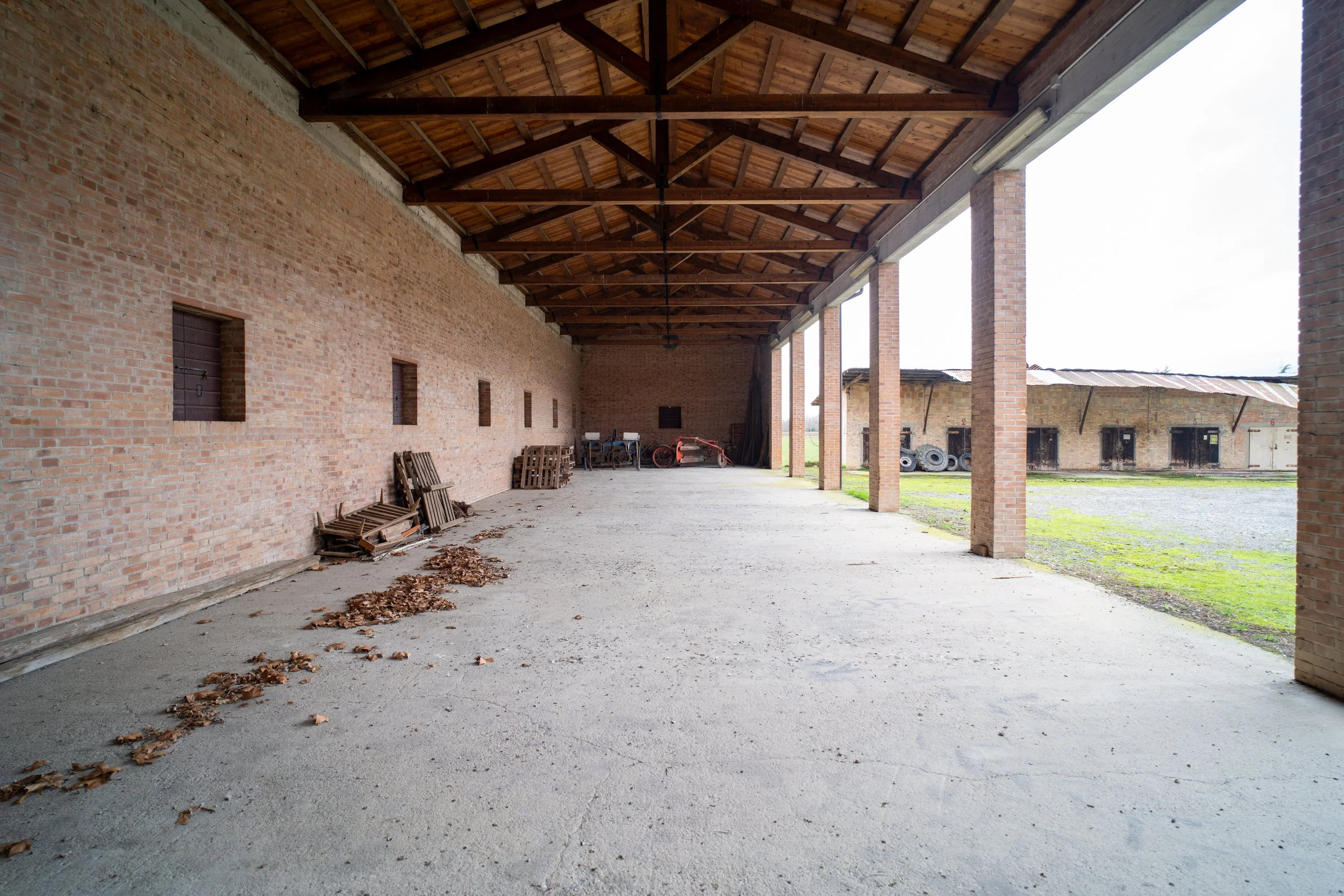
A new pavilion completes the agricultural court, framing a sequence of production and ceremony. The barn houses reception, restaurant, and mulberry wine production, unified by a continuous metal ribbon that defines both exterior and interior. Across the estate, silk is used architecturally, in wall panels, thresholds, and bedding, drawing the material directly from land to building.
Rather than a stylised retreat, the project positions Villa Meneghetti as a contemporary agrarian palazzo: a place where farming, craft, and architecture converge to create a working landscape rooted in culture and production.
In collaboration with Crado Designs.